Recent Posts
Tracking Livestock Health with CLiC-Hub
August 27, 2025
Innovations for Food Losses in Emerging Emergency-to-Development Context
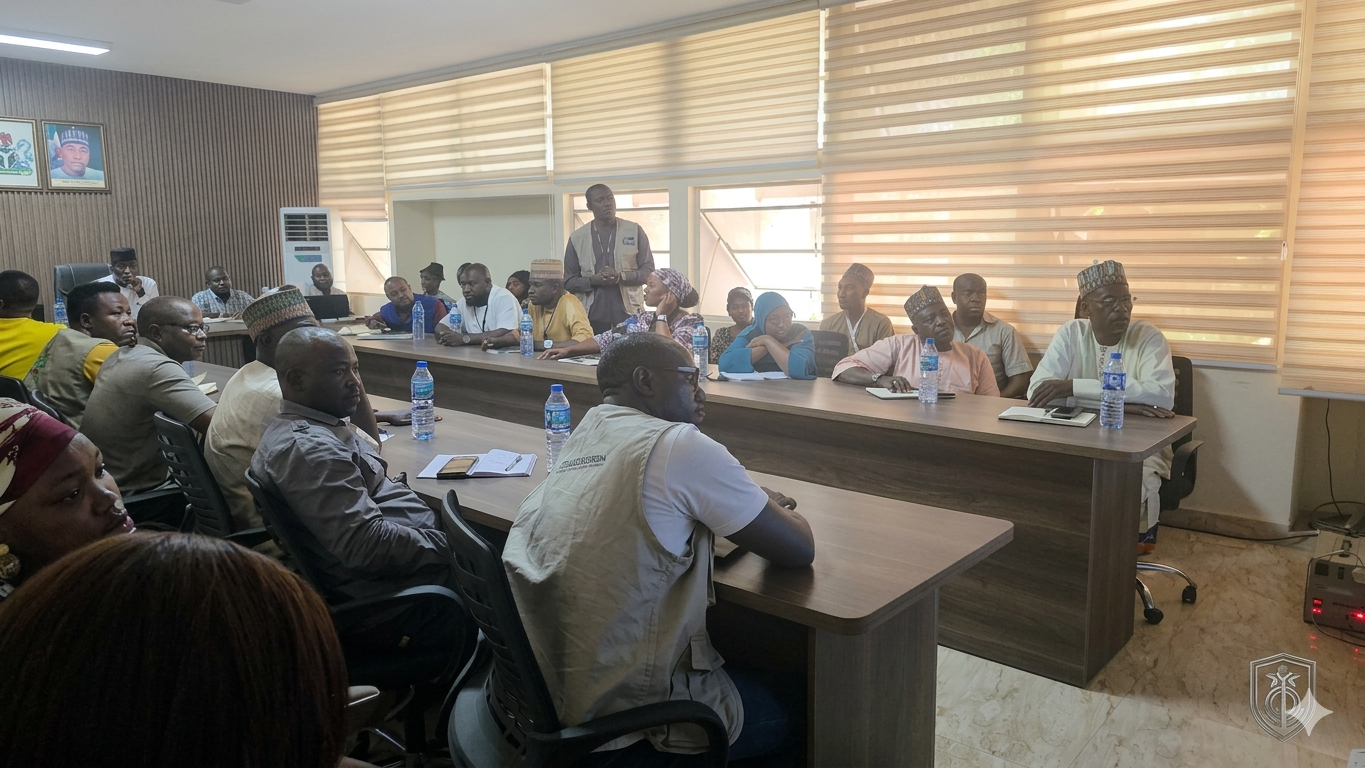
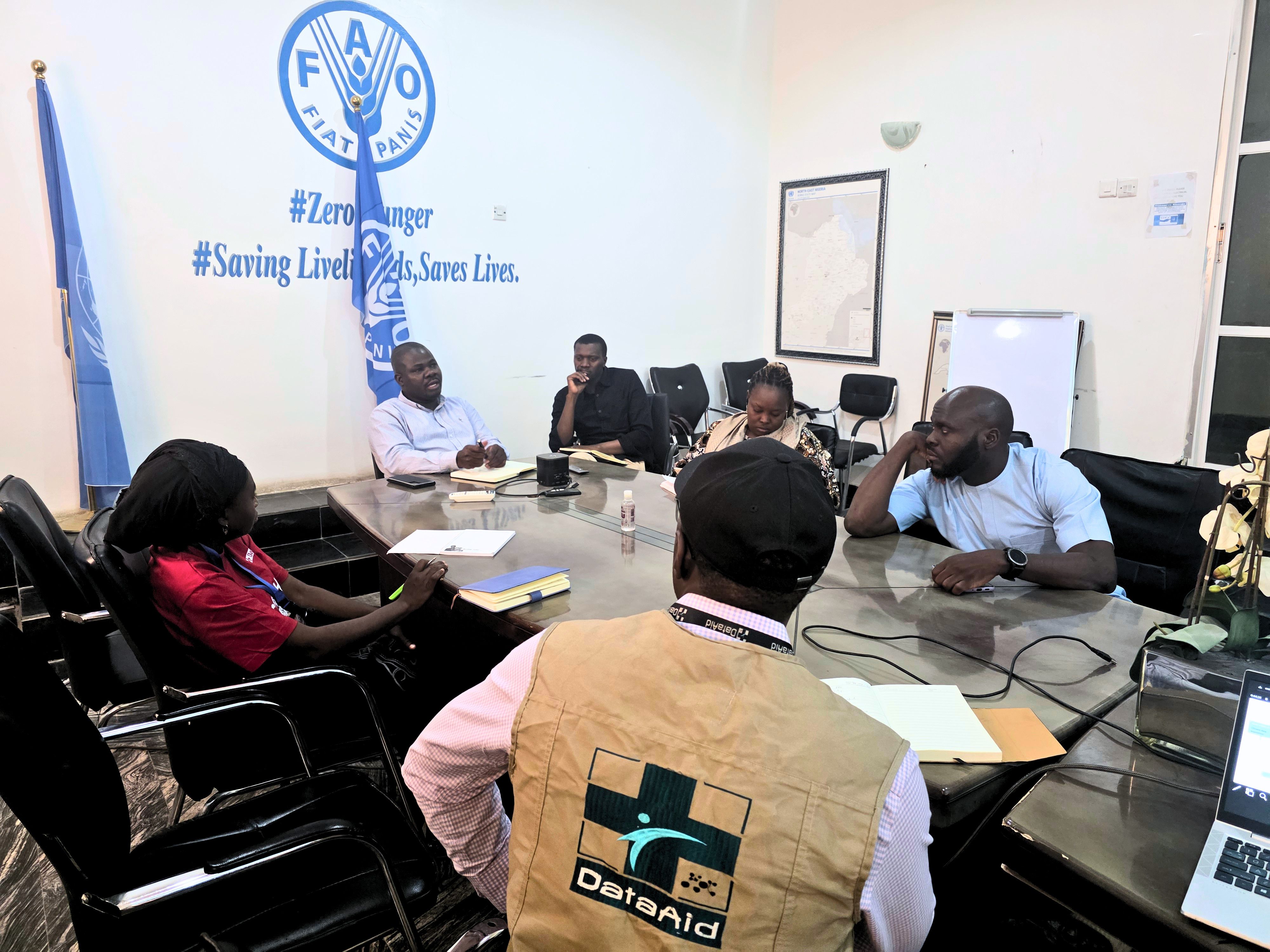
For a farmer in Borno who survived a crisis, losing about half a harvest to pre and post-harvest shocks isn't a statistic — it's a second blow. What if a simple digital advisory could save a farmer in the BAY region from losing half their harvest? That's the question we took to FAO-led Food Security Sector (FSS) in the North-east. Data Aid's Senior Programs Manager Yusuf Mshelia with our Emergency Programs team exchanged with the FSS Coordination team at the FAO Maiduguri Office. In attendance were FAO's Head of Emergency Luc Manga and the FSS Coordination Team including the Coordinator, Kennedy Onyango NANGA, Programme Policy Officer Kazeem Owolabi from World Food Programme, etc.
The conversation centered on one urgent question: How can innovations and technologies help smallholder farmers in the BAY region (Borno, Adamawa, and Yobe) prevent and better manage post-harvest losses in a context already strained by protracted crisis? The Northeast loses between 19–50% of harvests to post-harvest shocks each season — among the highest rates in the country — while over 4.4 million people remain food insecure across BAY states. For farmers transitioning from emergency relief to sustainable livelihoods, every grain that reaches a meal matters.
We explored how technologies and Data Aid's digital tools, from AI-downscaled climate advisories, processing technologies and inclusive agricultural extension initiatives to real-time data collection platforms, can complement the Food Security Sector's deep field reach to prepare farmers with timely, localized information on optimal harvest windows, drying periods, and market timing. We also leveraged our experience in farmer databases to provide guidance to the Borno State Ministry of Agriculture on making an effective use of farmer databases to close information and intervention gaps among vulnerable farming households. It was a fruitful and energizing exchange. We are excited about the potential of this collaboration and look forward to contributing to a more resilient food system in the BAY region — one that bridges the gap between emergency response and long-term development.
______________________________________________________________________________________