For a farmer in Borno who survived a crisis, losing about half a harvest to pre- and post-harvest shocks isn’t a statistic — it’s a second blow. What if a simple digital advisory could save a farmer in the BAY region from losing half their harvest? That’s the question we took to the FAO-led Food Security Sector (FSS) in the North-east.
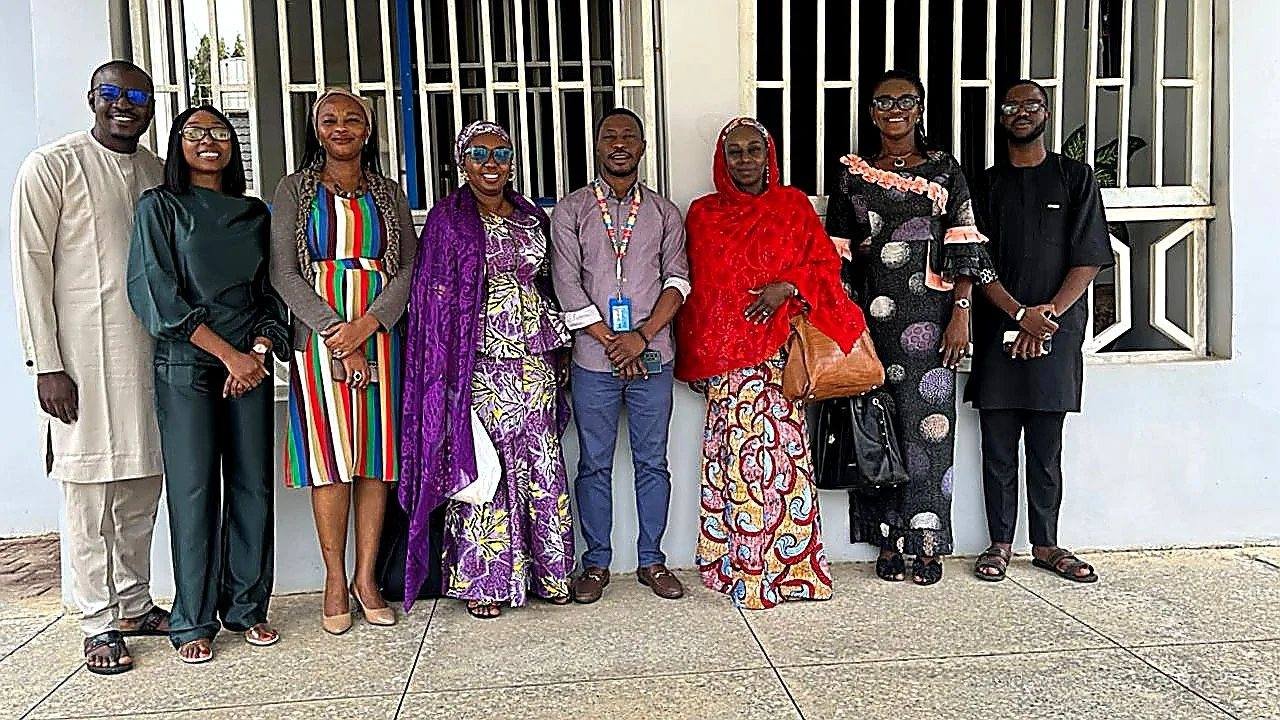
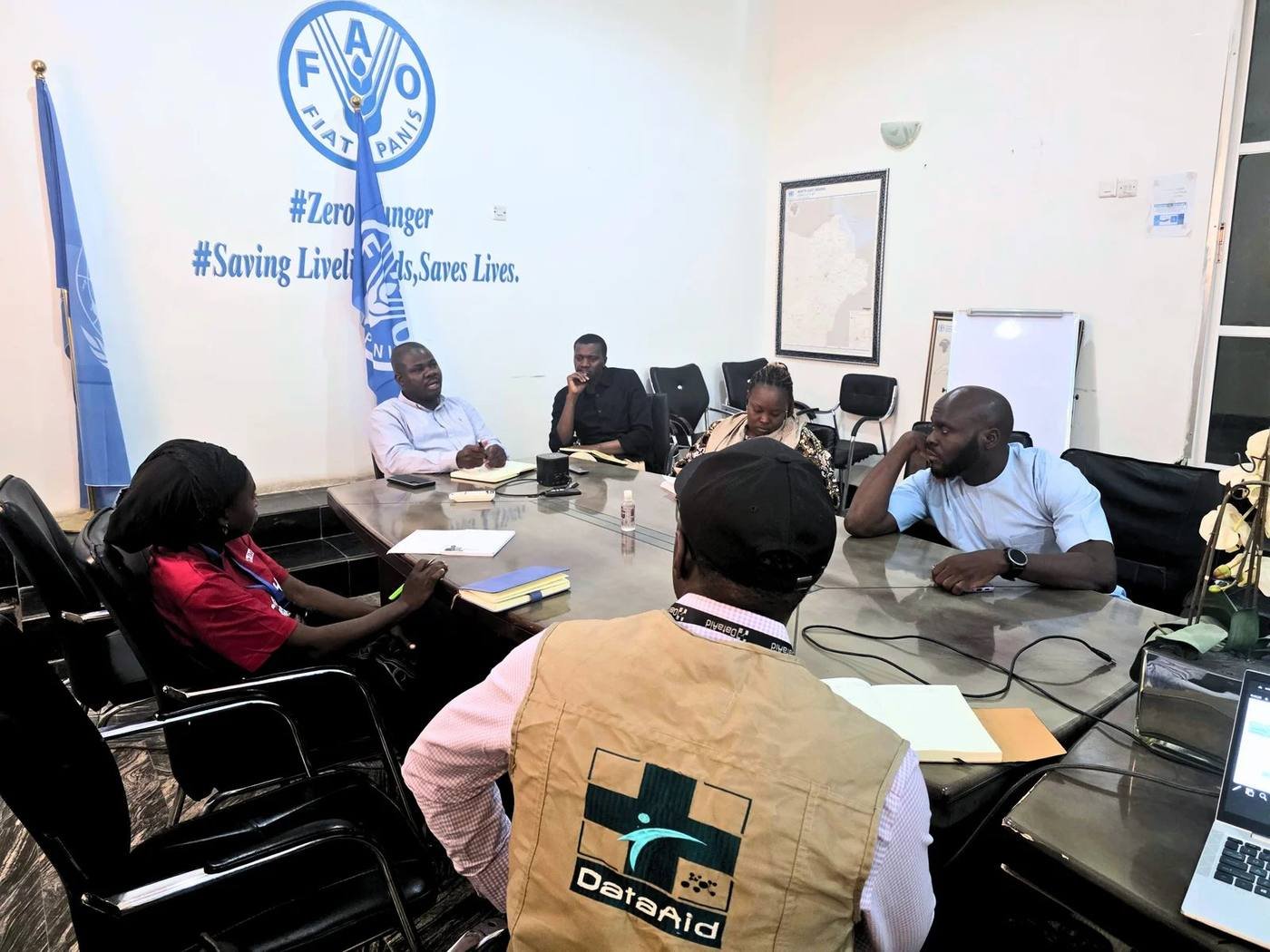
Data Aid’s programmes team exchanged with the FSS Coordination team at the FAO Maiduguri Office, together with colleagues from FAO’s emergency team and the World Food Programme.
The question
How can innovations and technologies help smallholder farmers in the BAY region (Borno, Adamawa and Yobe) prevent and better manage post-harvest losses in a context already strained by protracted crisis? The North-east loses between 19–50% of harvests to post-harvest shocks each season — among the highest rates in the country — while over 4.4 million people remain food insecure across BAY states.
What we explored
We explored how technologies and Data Aid’s digital tools — from AI-downscaled climate advisories, processing technologies and inclusive agricultural extension to real-time data collection platforms — can complement the Food Security Sector’s field reach, preparing farmers with timely, localised information on harvest windows, drying periods and market timing.
We also shared our experience with farmer databases to guide the Borno State Ministry of Agriculture on using them to close information and intervention gaps among vulnerable farming households.
We look forward to contributing to a more resilient food system in the BAY region — one that bridges the gap between emergency response and long-term development.